
About Our Offerings
The Francis Malcolm Science Center's Educational Philosophy is as follows:
To work with educators to develop programming to fit their curriculum needs.
To create programs that are not just “fun”, but educational as well that can be used before, during, or after units of study teachers are pursuing in their classrooms.
To create within our programs activities that are hands-on and involve the senses of touch, smell, sights and sound.
To offer professional development in the STEAM (science, technology, engineering, art, and math) subjects, as well as topics in outdoor education and enhancing pedagogy.
To gather feedback from educators and students through Exit Tickets and email
communications to improve our programming.
Educational Program Offerings
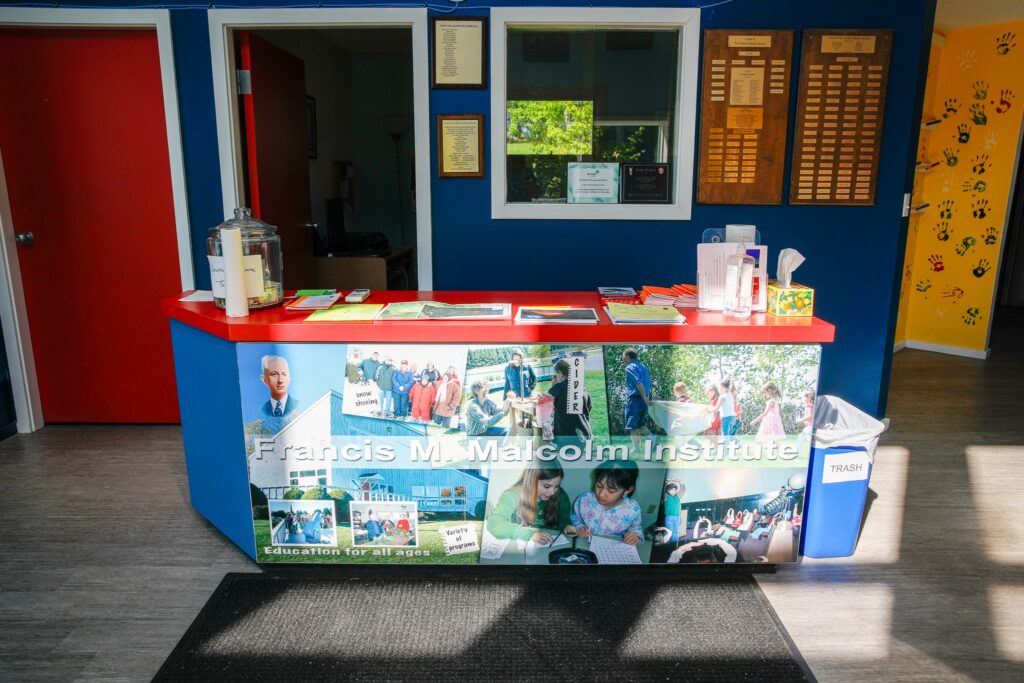
Programs are offered to students from area schools, homeschool groups, special needs groups, Little Feathers Pre-School, and after school and summer school programs, recreation departments and organizations such as Girl and Boy Scouts, Civil Air Patrol.
Five volunteer retired educators design the programs, organize the material, and present them. This group includes Elaine Hendrickson, 2001 Maine Teacher of the Year and avid hiker and nature enthusiast, Suzanne Beaudet, former professor at UMPI and life-long Girl Scout, Mary Jo Badger, retired special education teacher and crafter, Ellen Helstrom, retired educator who continues to substitute, and Sharon Kozura a retired middle school math/science teacher and enthusiastic outdoors person.
We emphasize that our programs are designed to be educational and used to introduce a unit of study, to augment their unit, or a follow up unit.
Our programs are designed to be hands-on with components that emphasize the use of observations by involving the senses of sight, hearing, and touching that are designed at the students’; age levels.
Single Day Programs run from one and a half hours to 2 hours or more. This next year we are planning to host multiple day programs that give us the time to introduce the topic one day, explore more in depth with a community science component by collecting data, and then a day to debrief data collected and either upload to a data base or create a graph showing the results of the study. An example is the study on Vern Pools that was developed this past year for grade 6 from Fort Fairfield Middle School.
Planetarium program with a follow-up related educational program. For example, after showing Rusty Rocket’s Last Blast, we created a number of different activities depending upon the age level of the group. These included two levels of Bingo games, a tour through the solar system, using our blow up planets, while learning more information about each planet or body in our solar system.
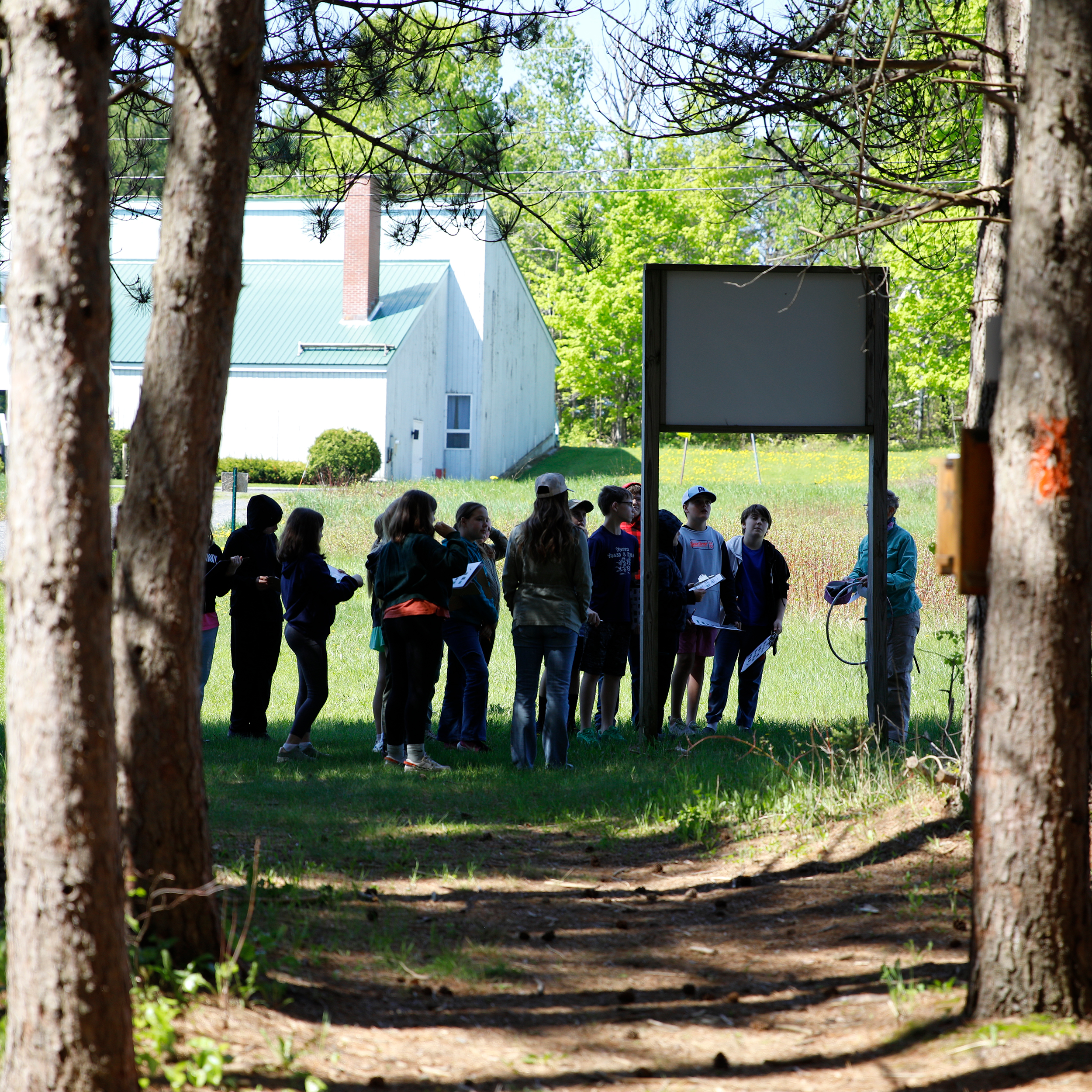
We also offer a combination of planetarium shows followed by a hike. this usually involves two classes coming together. For example, a class might watch Rusty Rocket, while the other goes on a hike of the trails. Both classes have lunch together then they switch programs or the afternoon.
Inside Nature Programs, are done totally in the Science Center. Examples are Birds, Birds, Birds, students learn about bird adaptations and their habitat. We use specimens to explain the adaptation. Another is, Going on a Critter Hunt, based on the book Going on a Bear Hunt. Using pelts and models of tracks and scat, students travel in small groups from one pelt to the other using clues to discover what animal they have found. Outdoor programming on our trail system in all seasons include: